Preface: Working with the 3D Wellness Foundation and Frogtown/Rondo Black Church Alliance, Asian Media Access has taken the lead in designing healing rooms at the Center for Wellness Technology. After touring China, Japan, and Taiwan, we gathered leading ideas in non-invasive healing — using nature, infrared light, electromagnetic frequencies, and immersive environments to ease anxiety and promote restoration.
The tour highlighted Eastern healing philosophies that prioritize herbal medicine, acupuncture, and environmental balance over pharmaceutical and surgical interventions. These approaches honor the body’s innate ability to heal when placed in the right conditions. This series shares our learnings and their application to the Center for Wellness Technology.
Working with the 3D Wellness Foundation, Asian Media Access led a landmark research tour across Japan, China, and Taiwan — visiting advanced immersive healing environments, herbal medicine institutions, acupuncture clinics, technology-integrated wellness centers, and nature-based therapeutic spaces. The mission: to bring the strongest evidence and best practices in non-invasive healing back to MN and apply them in dedicated healing rooms at the Center for Wellness Technology.
Why Asia? Why Nature?
Across East Asia, flowers, forests, mineral waters, salt therapy, and seasonal cycles are considered medicine. Healing is understood as restoring harmony between the human nervous system and the living world.
We traveled to Asia because these systems have been refined for thousands of years and are now being integrated with modern bioscience. Rather than replacing traditional methods, leading centers combine herbal medicine, acupuncture, hydrotherapy, infrared light, and immersive design into cohesive healing ecosystems.
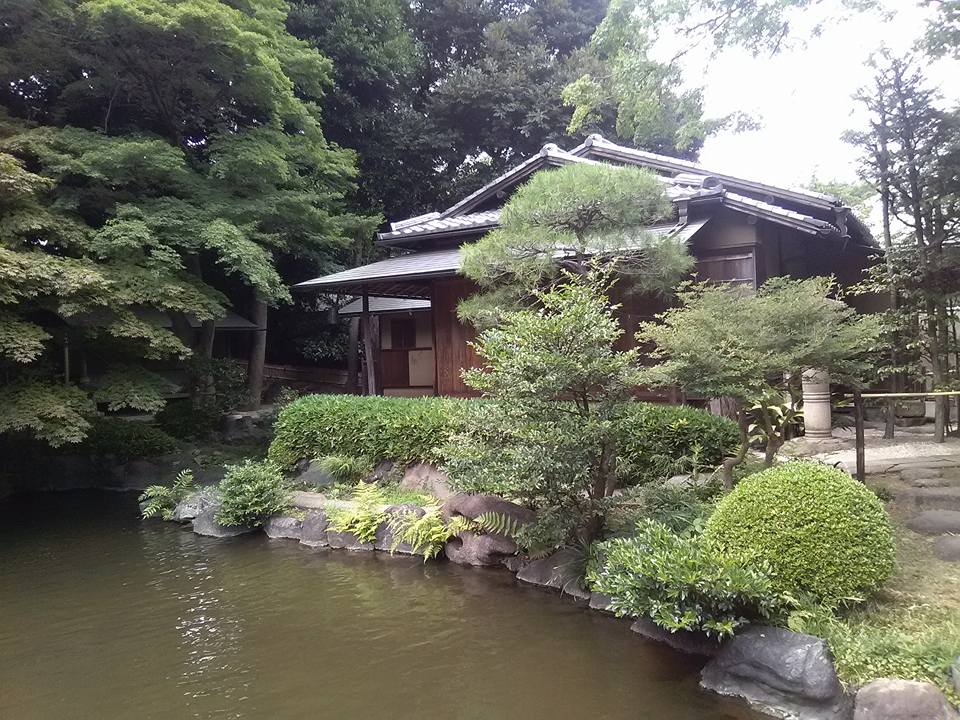
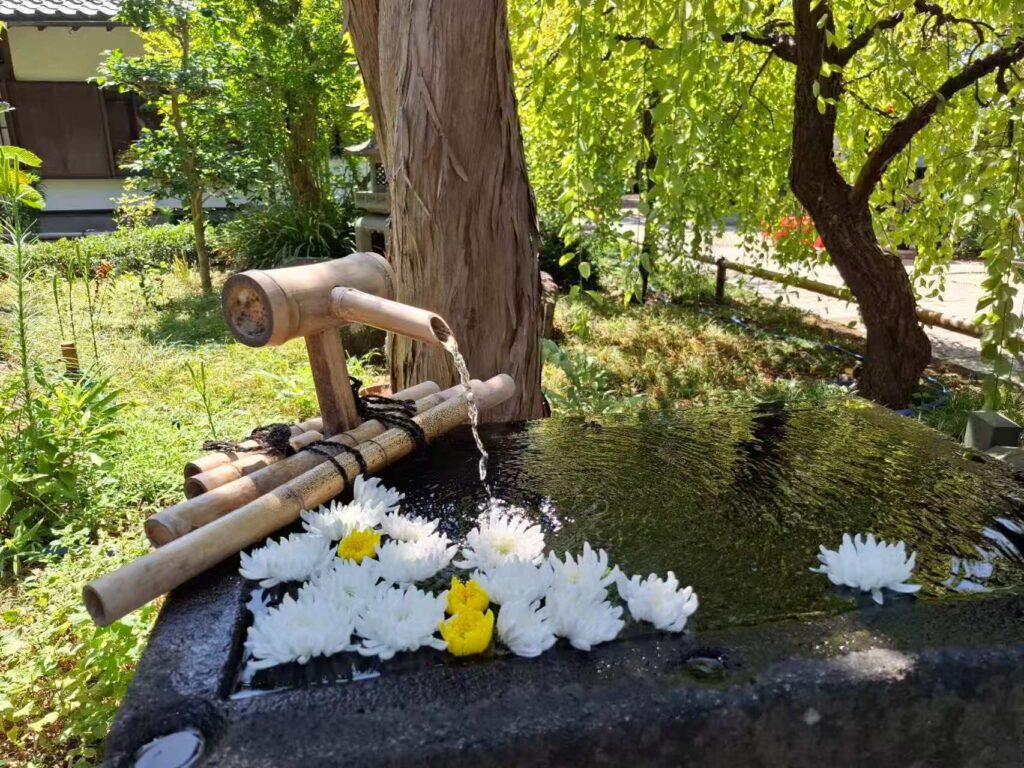
Flowers are also essential in this philosophy. Seasonal blossoms regulate mood, symbolize renewal, and reconnect individuals to natural cycles. Biophilic design — embedding plant life into architecture — measurably reduces stress and activates parasympathetic (calming) responses. In many locations we visited, gardens were integrated directly into therapeutic rooms, signaling safety and restoration before any treatment begins.
How Immersive Environments, Flowers, Light & Frequency Restore the Mind
Imagine entering a room where orchids float overhead, where invisible near-infrared light warms tissue, where gentle sound frequencies align with the Earth’s rhythms — and where anxiety softens without medication.
Modern anxiety is deeply environmental. Humans evolved in constant relationship with forests, water, sunlight, and seasonal rhythms. The removal of these elements has left many nervous systems in chronic stress. Conventional responses often manage symptoms without restoring environmental balance. Our premise is that the most powerful healing is non-invasive. When given the right environment — light, plants, warmth, rhythm – the body naturally moves toward equilibrium. Our research revealed a convergence of ancient herbal traditions, acupuncture science, hydrotherapy, immersive art, and electromagnetic research – forming a roadmap for the Center for Wellness Technology.
The Regional Specialties
Japan — Immersive Art & the Healing Power of Nature
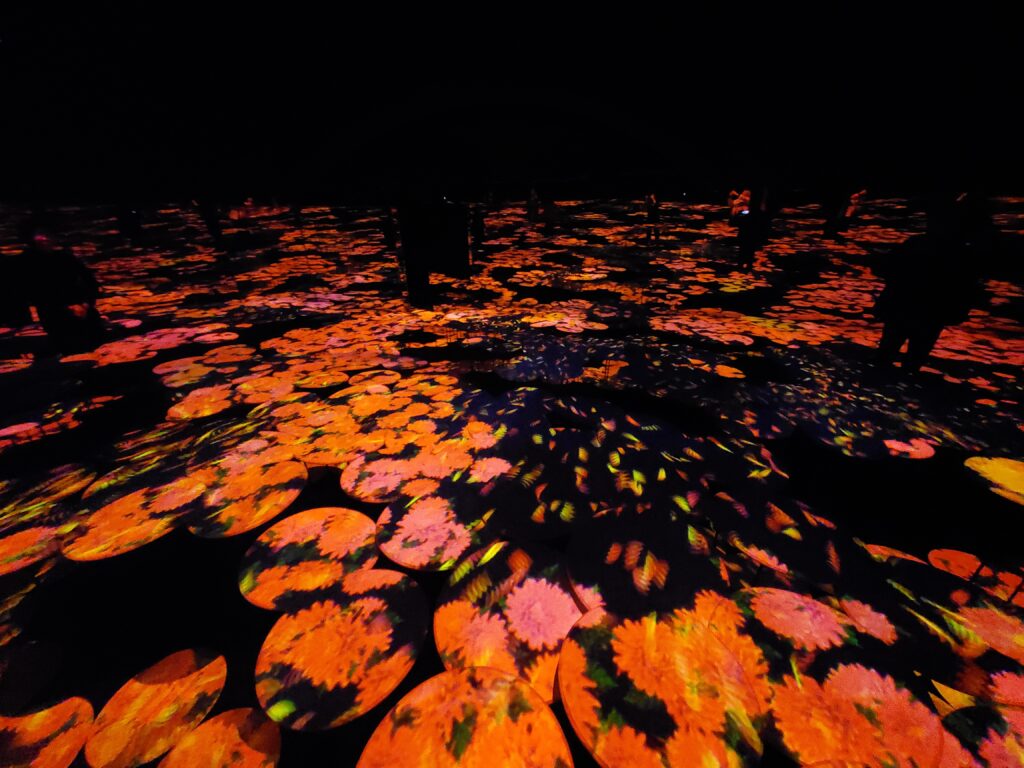
At the teamLab Art Museum, digital flower fields bloom and dissolve in response tohuman presence. These immersive environments blur the boundary between body and landscape, creating measurable calming effects. Visitors experience a sensory reset as light, color, movement, and botanical imagery synchronize.
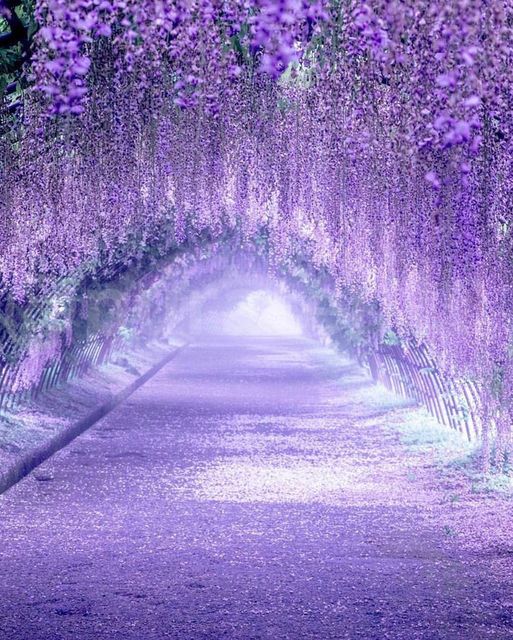
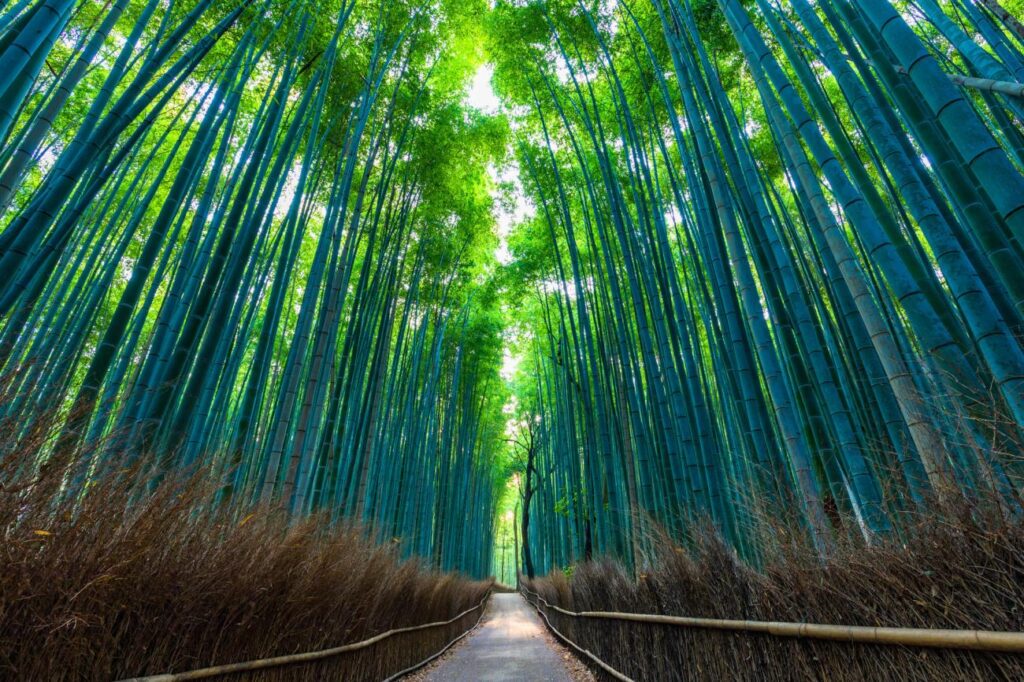
Japan also deepened our understanding of “shinrin-yoku” (forest bathing), emphasizing seasonal flower cycles and natural immersion as mental health interventions. The lesson: art, nature, and technology can work together to regulate the nervous system.

China — Herbal Medicine, Acupuncture & Energy Flow
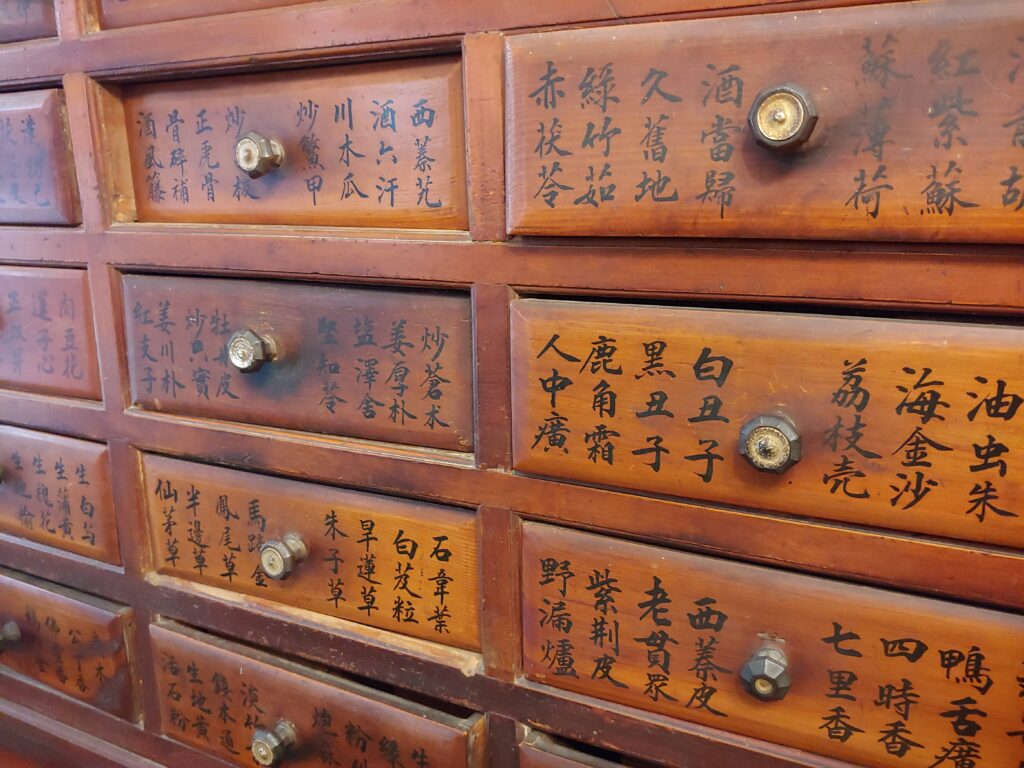
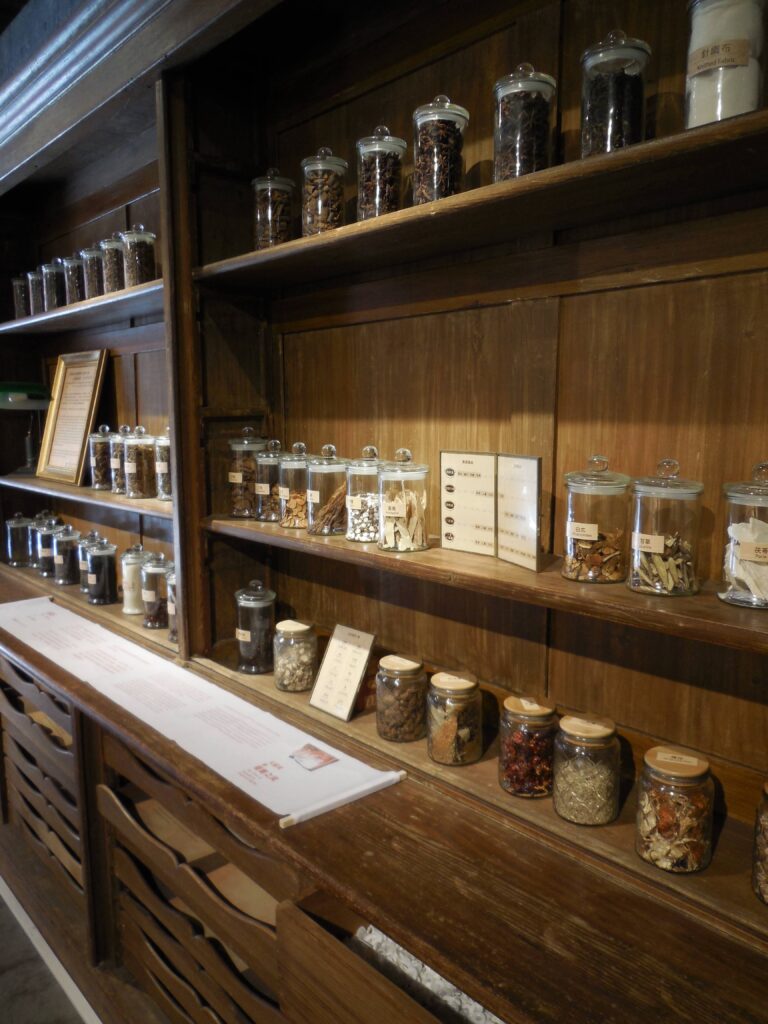
In China, we observed the continued centrality of Traditional Chinese Medicine. Herbal formulations — precisely blended plant-based compounds — are prescribed to restore systemic balance rather than suppress isolated symptoms.
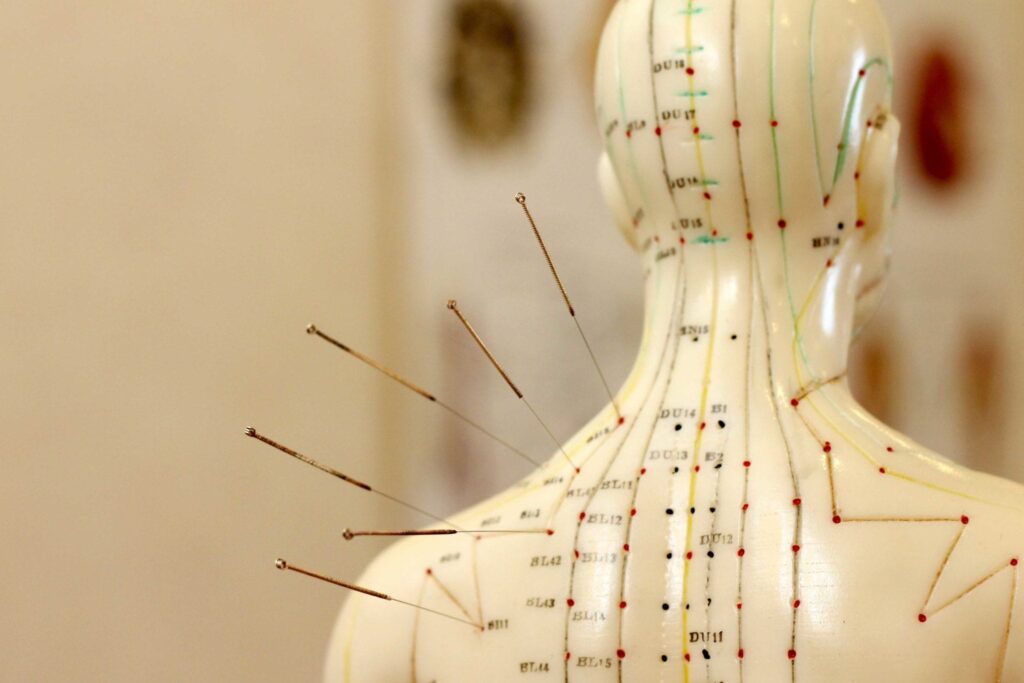
Acupuncture remains a frontline treatment, stimulating specific meridian points to regulate qi (energy flow), reduce inflammation, and calm anxiety. Unlike invasive procedures, these modalities activate the body’s own regulatory systems.
Modern Chinese wellness centers are now integrating herbal medicine, acupuncture, infrared sauna therapy, and frequency-based sound environments within garden-centered architecture. The Five Elements — wood, fire, earth, metal, water — offer a framework for designing healing rooms aligned with distinct emotional and physiological needs.
Taiwan — Hot Springs & Integrative Wellness Architecture
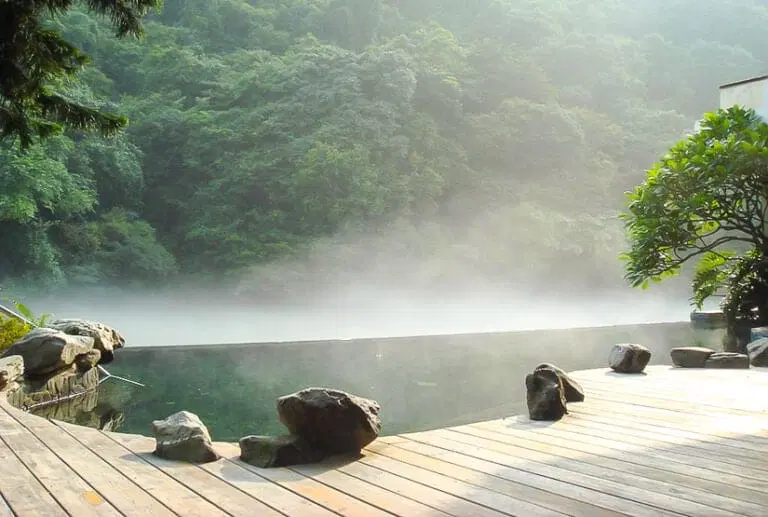
In Taiwan, we studied integrative wellness centers that bridge Eastern philosophy and Western bioscience. A defining feature is the therapeutic use of natural hot springs — mineral-rich waters long believed to improve circulation, reduce inflammation, and calm the nervous system.
Taiwanese healing centers embed near-infrared light panels in meditation rooms, incorporate flower gardens into entrances, and use frequency-based sound therapy to prepare individuals for deeper treatments. Hydrotherapy, botanical design, and advanced light technology coexist seamlessly.
Taiwan demonstrates that hot spring culture, floral landscapes, and modern wellness architecture can form a unified, non-invasive healing system.
Bringing These Lessons Home
The Center for Wellness Technology will translate these insights into specialized healing rooms that integrate:
- Immersive botanical and digital flower environments inspired by teamLab in Japan
- Dedicated herbal consultation and acupuncture-informed design principles
- Infrared and near-infrared light therapy
- Frequency-based soundscapes aligned with nervous system regulation
- Elemental/Calming room concepts rooted in Eastern frameworks
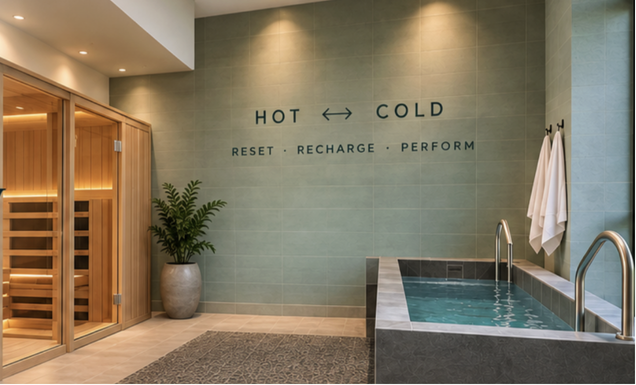
- Hydrotherapy concepts inspired by Taiwanese hot spring healing traditions
At the heart of this model is a simple principle: healing begins with environment. By restoring flowers, forests, mineral warmth, natural light, and subtle energetic rhythms, we support the nervous system without invasive intervention. With such mission in mind, the Center for Wellness Technology will design a space with non-invasive healings, rooted in nature, refined by centuries of herbal and acupuncture practice, and elevated with immersive design through wellness technologies.